









Delicious Vegan Cookie Recipes You Need to Try in 2026
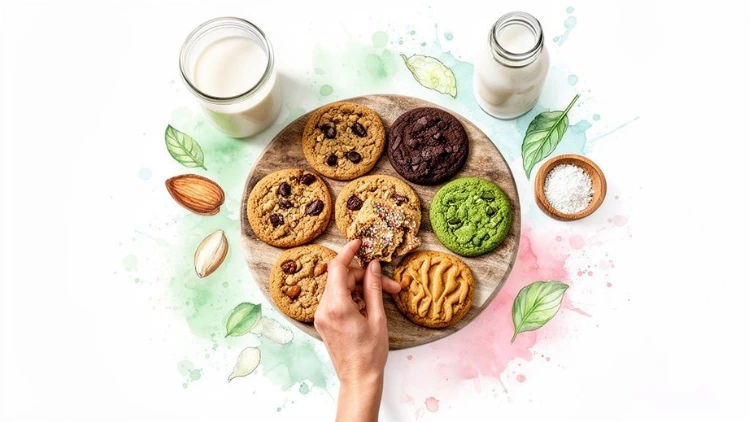
Welcome to this guide to vegan cookie recipes! Whether you're a seasoned plant-based baker or just starting your culinary journey, mastering the art of the perfect vegan cookie is a rewarding skill. In this comprehensive roundup, we are sharing 8 foolproof recipes that prove you don't need eggs or dairy to create incredibly delicious, chewy, and satisfying treats. We go beyond simple ingredient lists, providing actionable insights, practical examples, and expert troubleshooting tips for each cookie.
A crucial element in achieving perfect plant-based cookies often involves selecting the right ingredients. For example, understanding how different popular plant-based milk alternatives affect texture and flavor can significantly improve your results.
- An actionable insight here is that oat milk often adds a creamier, richer texture due to its higher fat content, while almond milk provides a lighter, crispier finish.
Get ready to impress your friends, family, and yourself with these fantastic plant-based creations. Elevate your skills with this expert-led baking course that can turn you from a home baker into a pastry pro.
Jump To Section

Earn As You Learn
Earn 25% commission when your network purchase Uplyrn courses or subscribe to our annual membership. It’s the best thing ever. Next to learning,
of course.
1. Classic Vegan Chocolate Chip Cookies
The classic chocolate chip cookie is a cornerstone of baking, and this vegan version proves you don't have to sacrifice taste or texture. This foundational recipe swaps dairy butter for a plant-based alternative and uses a simple "flax egg" (ground flaxseed mixed with water) or applesauce to replace traditional eggs. The result is a chewy, decadent cookie that stands tall next to its non-vegan counterpart, making it the perfect entry point into the world of plant-based baking.
Popularized by blogs like Minimalist Baker and mainstream brands, this recipe is a testament to how simple substitutions can achieve fantastic results. It's an essential addition to any baker's repertoire and one of the most beloved vegan cookie recipes available. A practical example of its adaptability is swapping regular chocolate chips for vegan white chocolate and adding dried cranberries for a festive holiday twist.
Actionable Tips for Perfect Cookies
To master this recipe, focus on a few key details that make all the difference. These small steps ensure a superior final product every time.
- Chill the Dough: For a thicker, chewier cookie, refrigerate your dough for at least 30 minutes before baking. This solidifies the vegan butter, preventing the cookies from spreading too thin in the oven.
- A practical example: if your first batch spreads too much, chill the remaining dough for an additional 30 minutes before baking.
- Use Room Temperature Butter: Ensure your plant-based butter is softened but not melted. This allows it to cream properly with the sugars, creating essential air pockets for a lighter texture.
- An actionable insight: if your butter is too cold, cut it into small cubes to help it soften faster, or microwave it in 5-second bursts.
- Sprinkle with Sea Salt: Before baking, add a pinch of flaky sea salt on top of each cookie. This small touch enhances the deep chocolate flavor and balances the sweetness. For example, Maldon sea salt flakes provide a delightful crunch and visual appeal.
For those looking to deepen their baking skills, understanding these fundamental techniques is key.
2. Peanut Butter Vegan Cookies
Peanut butter cookies are a beloved classic, and this vegan version highlights how a single, powerful ingredient can do it all. This recipe uses natural peanut butter as both the primary fat and flavor, creating a dense, protein-rich cookie that is incredibly satisfying. It's a prime example of how plant-based proteins can effectively replace both eggs and butter, offering a simpler ingredient list and added nutritional benefits.
Popularized by minimalist bakers and adapted from traditional recipes, this approach shows how plant-based baking can be both easy and delicious. Its simplicity and rich flavor make it one of the most reliable vegan cookie recipes for bakers of all skill levels.
Actionable Tips for Perfect Cookies
To achieve the best results with this recipe, a few specific techniques are crucial. These tips will help you create a perfectly textured peanut butter cookie every time.
- Don't Overmix: Combine the ingredients until they just come together. Overmixing can lead to a tough, dry cookie, so stop as soon as the flour is incorporated.
- A practical example: look for the last streaks of flour to disappear, then stop your mixer immediately.
- Use Natural Peanut Butter: Opt for natural peanut butter where the only ingredients are peanuts and salt. This gives you more control over the sugar and oil content, leading to a better flavor and texture.
- An actionable insight: if your natural peanut butter is very oily, pour off a teaspoon of the separated oil before stirring to avoid greasy cookies.
- Press Before Baking: This dough doesn't spread much. Use a fork to gently press a crisscross pattern on top of each dough ball before baking to ensure they cook evenly. This also creates classic ridges that catch a sprinkle of sugar perfectly.
Understanding how key ingredients function is fundamental to successful baking.
3. Oatmeal Raisin Vegan Cookies
This wholesome recipe transforms the classic oatmeal raisin cookie into a hearty, fiber-rich vegan treat. By using rolled oats, plump raisins, and simple plant-based binders, this recipe bridges traditional comfort food with modern nutritional awareness. It creates a satisfyingly chewy cookie packed with whole-grain goodness, making it a favorite among wellness-focused bakers and anyone craving a nostalgic bite.
This cookie has been popularized through adaptations by nutrition coaches and wellness influencers who celebrate its simple, nourishing ingredients. As one of the most comforting vegan cookie recipes, it proves that plant-based baking can be both delicious and health-conscious. For a practical twist, try swapping raisins for chopped dried apricots and adding a teaspoon of ground ginger for a zesty flavor profile.
Actionable Tips for Perfect Cookies
To achieve the ideal chewy and flavorful texture, a few specific techniques are crucial. These small adjustments will elevate your oatmeal raisin cookies.
- Plump the Raisins: Soak your raisins in warm water for about 10 minutes before mixing them into the dough. This simple step rehydrates them, ensuring they stay juicy and soft during baking instead of becoming dry.
- An actionable insight: drain them thoroughly and pat dry before adding to the dough to avoid excess moisture.
- Use Old-Fashioned Oats: For the best texture and chew, always use old-fashioned rolled oats. Instant oats are too fine and will result in a pasty, less defined cookie. For example, brands like Bob's Red Mill Rolled Oats provide the perfect consistency.
- Add Warming Spices: A teaspoon of cinnamon and a pinch of nutmeg will enhance the cookie's warm, comforting flavor profile, perfectly complementing the oats and raisins. For a more complex flavor, add 1/8 teaspoon of ground cloves or allspice.
Mastering foundational recipes like this is a great step in expanding your culinary skills.
4. Vegan Double Chocolate Cookies
For the ultimate chocolate lover, this recipe delivers an intense, fudgy experience by combining rich cocoa powder in the dough with decadent chocolate chips. These vegan double chocolate cookies prove that plant-based baking can produce deeply satisfying, dessert-quality treats that rival any traditional version. It's a fantastic recipe for intermediate bakers looking to master layering complementary flavors.
Popularized by celebrated vegan cookbook authors like Isa Chandra Moskowitz, this recipe is a favorite for its rich, brownie-like texture. It stands out among vegan cookie recipes for its depth of flavor and is a testament to how thoughtfully chosen ingredients can create an indulgent final product.
- A practical example of elevating this recipe is using a mix of dark chocolate chunks and mini chips to create varied pockets of melted chocolate.
Actionable Tips for Perfect Cookies
To achieve that perfectly rich and fudgy texture, a few specific techniques are crucial. These small adjustments will elevate your cookies from good to unforgettable.
- Sift Your Cocoa: Always sift your cocoa powder with the other dry ingredients. This removes lumps and ensures a smooth, uniform chocolate flavor throughout the dough.
- A practical example: use a fine-mesh sieve and tap the side gently over your bowl of flour.
- Enhance with Coffee: Add a teaspoon of instant coffee or espresso powder to the dough. You won't taste the coffee, but it will dramatically intensify the chocolate notes.
- An actionable insight: dissolve the powder in the plant-based milk before adding it to ensure even distribution.
- Slightly Underbake: For a soft, molten center, pull the cookies from the oven when the edges are set but the middle still looks slightly underdone. They will continue to bake on the hot tray. For instance, if the recipe calls for 12 minutes, check them at the 10-minute mark.
Understanding how high-quality ingredients impact health and flavor is a cornerstone of great cooking.
5. Coconut Vegan Cookies
Bringing a taste of the tropics to your cookie jar, this recipe celebrates coconut as its star ingredient. By using shredded coconut, coconut oil, and even coconut milk, these cookies deliver a rich, authentic flavor profile that is both chewy and satisfying. This recipe is an excellent example of how focusing on a single ingredient can create a sophisticated and deeply flavorful treat, showcasing advanced flavor development with simple, accessible components.
Popularized by vegan bloggers and adaptations of island cuisine, these coconut vegan cookie recipes demonstrate how to build complex taste from one primary source. It’s a wonderful choice for bakers looking to move beyond traditional flavors and explore ingredient-focused dessert creation.
Actionable Tips for Perfect Cookies
To get the most out of this tropical-inspired recipe, a few specific techniques can elevate the final product from good to unforgettable.
- Toast the Coconut: Lightly toast the shredded coconut in a dry pan over medium heat for 3-5 minutes before adding it to the dough. This simple step deepens its nutty flavor and adds a delightful crunch.
- An actionable insight: stay by the pan and stir constantly, as coconut can burn in seconds.
- Add Lime Zest: For a vibrant, complex flavor, mix in the zest of one lime. The citrus brightens the rich coconut and creates a perfectly balanced, tropical taste profile.
- A practical example: use a microplane zester to get fine zest without the bitter white pith.
- Prevent Spreading: If you prefer a neutral base, use refined coconut oil. For a taller, less crumbly cookie, add a teaspoon of cornstarch to your dry ingredients to help bind the dough. This acts as a stabilizer, providing structure where an egg normally would.
Mastering how key ingredients function is fundamental to both baking and overall well-being.
6. Tahini Vegan Cookies
For a truly sophisticated treat, tahini vegan cookies offer a nutty, complex flavor that moves beyond traditional profiles. This recipe uses tahini (sesame seed paste) as the primary fat, replacing butter and creating an incredibly rich, tender texture. Often paired with complementary flavors like lemon or dates, these cookies showcase how advanced vegan baking can transform simple ingredients into unique, memorable desserts.
Popularized by Middle Eastern and Mediterranean cuisine experts, this recipe highlights principles of flavor pairing and ingredient sourcing. It’s an excellent choice for bakers looking to expand their skills and explore one of the more creative vegan cookie recipes available today.
- For a practical example, try rolling the dough balls in sesame seeds before baking for an extra crunchy exterior and visual appeal.
Actionable Tips for Perfect Cookies
Mastering tahini cookies involves understanding how this unique ingredient behaves. These tips will help you achieve a perfect balance of flavor and texture.
- Stir Tahini Thoroughly: Natural tahini separates, so stir it well before measuring to fully incorporate the oils. This ensures consistent fat distribution and prevents dry, crumbly cookies.
- A practical example: store the jar upside down for a day before using to make stirring easier.
- Pair with Bright Flavors: The earthy taste of tahini shines when paired with bright notes like lemon zest, orange, or pomegranate molasses. For warmth, add spices like ground ginger or cardamom.
- An actionable insight: swirl a teaspoon of date syrup into the dough for a caramel-like sweetness that complements the tahini.
- Don't Overbake: Tahini-based cookies are often soft when they come out of the oven and will firm up significantly as they cool. Remove them when the edges are just lightly golden to avoid a hard texture. Let them cool completely on the baking sheet for a perfect set.
Understanding how to balance unique flavors is a core skill in advanced baking.
7. Edible Cookie Dough Bites (No-Bake)
For those who believe the best part of baking is sneaking a bite of the raw dough, this recipe is a dream come true. These no-bake edible cookie dough bites provide all the nostalgic flavor of classic dough without any of the food safety risks. By using heat-treated flour (or a naturally safe alternative like almond flour) and omitting eggs entirely, this recipe creates a delicious, safe-to-eat treat that requires zero oven time.
Popularized by wellness influencers and modern food safety advocates, this clever approach redefines what a cookie can be. It's one of the most convenient and creative vegan cookie recipes, perfect for a quick snack or a fun dessert project.
- A practical example is to press the dough into a small pan, chill it, and cut it into bars instead of rolling individual balls.
Actionable Tips for Perfect Bites
Creating safe and delicious edible cookie dough is all about the right ingredients and techniques. Focus on these details for the best results.
- Ensure Flour is Safe: Always use certified heat-treated all-purpose flour to eliminate any risk from raw flour. Alternatively, you can make your own by baking raw flour at 350°F (175°C) for 5-7 minutes.
- An actionable insight: spread the flour thinly on a baking sheet and let it cool completely before using to avoid a gummy texture.
- Roll for a Finishing Touch: Elevate the texture and flavor by rolling the finished dough bites in cocoa powder, finely chopped nuts, or shredded coconut for an attractive and tasty coating. For a fun, practical example, use vegan sprinkles for a birthday cake-inspired treat.
- Add Vanilla and Salt: A generous splash of vanilla extract and a good pinch of sea salt are crucial. These ingredients cut through the sweetness and add a depth of flavor that mimics real baked cookies. For instance, using 1/2 teaspoon of salt per cup of flour is a good starting ratio.
These no-bake bites are a fantastic way to explore modern food safety practices while creating innovative desserts.
8. Matcha White Chocolate Vegan Cookies
This contemporary vegan cookie recipe blends the earthy, vibrant notes of Japanese matcha powder with the creamy sweetness of vegan white chocolate. The result is a sophisticated and visually stunning treat that showcases the fusion of global flavors with plant-based innovation. It's a perfect example of how vegan baking can be both modern and elegant, moving beyond simple classics.
Popularized by contemporary pastry chefs and wellness influencers, these cookies have become a staple in artisanal vegan bakeries. This unique recipe highlights advanced techniques like balancing complex flavors and maintaining color during baking, making it a favorite among adventurous home bakers seeking distinctive vegan cookie recipes.
Actionable Tips for Perfect Cookies
To achieve the perfect balance of flavor and a brilliant green hue, focus on the quality of your ingredients and your mixing technique.
- Use Culinary-Grade Matcha: Opt for a high-quality culinary-grade matcha. Ceremonial grade is too delicate and expensive, while lower-quality powders can taste bitter and appear brownish after baking.
- A practical example is to look for brands that specify their matcha is from Uji, Japan, known for high-quality production.
- Sift the Matcha: To avoid bitter clumps and ensure an even color, sift your matcha powder with the other dry ingredients at least once, or even twice, before incorporating them into the wet mixture.
- An actionable insight: this also aerates the flour, contributing to a lighter cookie texture.
- Don't Overmix: Once you add the matcha-infused flour, mix only until just combined. Overmixing can dull the green color and develop too much gluten, resulting in a tough cookie. A good practical step is to finish the last few stirs by hand with a spatula to prevent overworking the dough.
Your Next Step in Vegan Baking Mastery
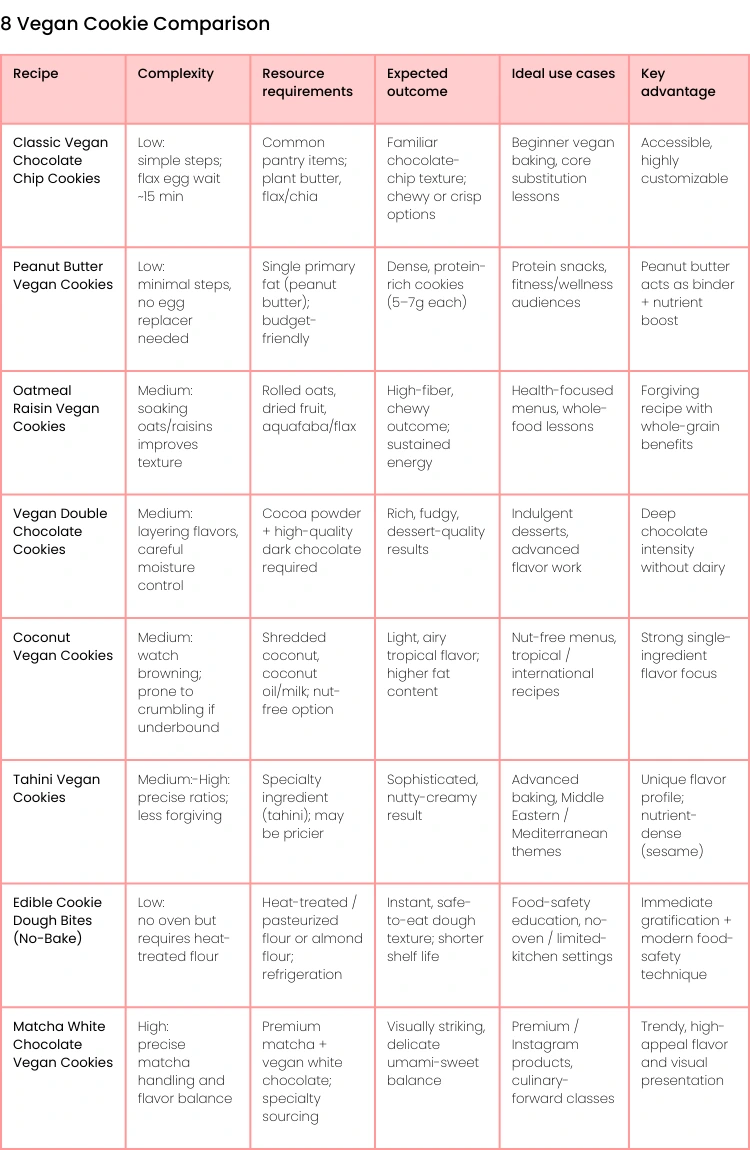
You've just explored a delicious roadmap to creating incredible vegan treats, from the timeless Classic Vegan Chocolate Chip to the sophisticated Matcha White Chocolate. This collection of vegan cookie recipes demonstrates that plant-based baking isn't about restriction; it's a gateway to creativity, flavor exploration, and culinary science. We've seen how simple swaps, like using flax eggs for binding or coconut oil for richness, can produce textures and tastes that rival any traditional cookie.
Key Lessons from Our Baking Journey
The most important takeaway is that understanding the function of each ingredient is the key to success. For example, the Peanut Butter Cookies taught us how a high-fat nut butter can act as both a binder and a fat source, reducing the need for extra oil. Similarly, the Tahini Cookies showcased how to balance a strong, savory ingredient with sweetness for a uniquely complex flavor profile. These are not just recipes; they are practical lessons in food science.
- An actionable insight is to keep a baking journal: note how changing one ingredient, like using almond flour instead of all-purpose, affects the final product.
Your next actionable step is to choose one recipe from this list and make it your own. Try one of the suggested variations, such as making the Double Chocolate Cookies gluten-free with almond flour or adding a pinch of cardamom to the Oatmeal Raisin Cookies. This hands-on experimentation is where true mastery begins.
- A practical example would be to bake a small test batch of 3-4 cookies first to check for spread and texture before baking the whole lot.
Turning Passion into a Profession
Mastering these vegan cookie recipes builds a solid foundation for more advanced culinary pursuits. The principles you've learned here, like balancing moisture, managing textures without dairy, and creative ingredient substitution, are fundamental skills in modern pastry arts. Whether you're baking for friends, building a personal brand, or considering a professional career, these skills are invaluable. By consistently practicing and pushing your creative boundaries, you are not just baking cookies; you are developing a professional-level understanding of plant-based cuisine, a skill that is increasingly in demand. Your baking journey is a delicious adventure, and every batch is a step forward.
Ready to transform your passion for baking into professional expertise? Enroll in a course today at Uplyrn and start building your culinary future.


Leave your thoughts here...
All Comments
Reply