









10 Performance Management Best Practices for 2026

In today's fast-paced work environment, the traditional annual review is no longer sufficient to drive meaningful growth or accurately gauge employee contributions. The once-a-year, backward-looking appraisal is being replaced by dynamic, continuous, and development-focused strategies that foster employee potential and align individual efforts with organizational goals. This shift demands a new playbook, one built on the most effective performance management best practices available today.
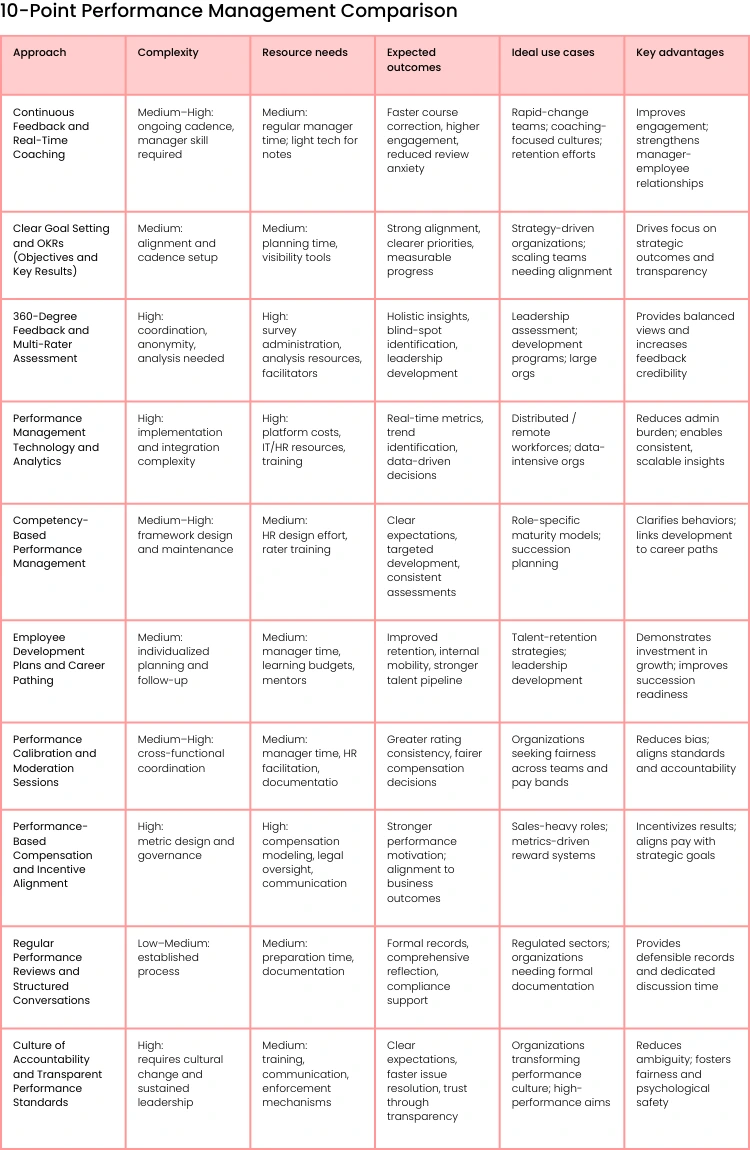
This guide moves beyond outdated models to provide a prioritized, actionable roundup of 10 essential strategies. We will provide practical examples and clear insights for each, showing you how to build a system that not only evaluates performance but actively enhances it. You'll learn how to implement continuous feedback loops, set clear and ambitious goals with OKRs, and leverage technology to create a more transparent and fair process.
We will explore how to transform performance conversations from dreaded obligations into powerful catalysts for career development. For a comprehensive overview of modern approaches to performance management, consider these 10 Best Practices for Performance Management in 2026. Throughout this article, we'll also demonstrate how a robust learning ecosystem, like the Uplyrn platform, can support your team's skill development at every stage. You will gain the tools needed to create a culture where performance management is an integrated part of daily work, not just a yearly administrative task.
Jump To Section

Earn As You Learn
Earn 25% commission when your network purchase Uplyrn courses or subscribe to our annual membership. It’s the best thing ever. Next to learning,
of course.
1. Continuous Feedback and Real-Time Coaching
The era of the once-a-year performance review is over. Modern, high-performing organizations have embraced continuous feedback and real-time coaching as a cornerstone of their performance management best practices. This approach replaces the outdated, high-stakes annual review with a system of ongoing, informal, and development-focused conversations. Instead of saving up feedback for a single meeting, managers provide guidance as it happens, creating a more agile and responsive work environment.
This model, popularized by companies like Adobe and Microsoft, transforms performance management from a retrospective judgment into a forward-looking development tool. The primary benefit is agility. Issues are addressed immediately, preventing them from escalating, and positive behaviors are reinforced in the moment, increasing the likelihood they will be repeated. This creates a culture of psychological safety where employees see feedback as a gift for growth, not a prelude to criticism.
How to Implement Continuous Feedback
Implementing this practice requires a cultural shift supported by clear processes. Here are actionable insights to get started:
- Schedule and Protect Check-ins: Book recurring, weekly or bi-weekly 1:1 meetings.
- Actionable Insight: Treat this time as non-negotiable to build consistency and trust. The agenda should be employee-driven, focusing on their priorities, challenges, and goals.
- Use a Structured Framework: To ensure feedback is clear and objective, use a model like SBI (Situation-Behavior-Impact).
- Practical Example: Instead of saying "Your presentation was confusing", try: "In the client meeting this morning (Situation), you presented the data without clear labels on the axes (Behavior), which made it difficult for the client to follow your conclusion (Impact)."
- Balance Recognition and Guidance: Effective feedback isn't just about correction.
- Actionable Insight: Actively look for opportunities to provide positive reinforcement. A simple "Great job handling that difficult customer question with such patience" can be incredibly motivating.
- Document Key Points: Use a shared document or performance management tool to briefly note key discussion points, goals, and action items.
- Actionable Insight: This creates a record of progress and ensures accountability without a heavy administrative burden. A shared Google Doc or a dedicated channel in Slack can work perfectly.
By fostering a continuous dialogue, you build stronger relationships and empower employees to take ownership of their development. For a deeper dive into structuring these conversations, explore these best practices for giving effective feedback.
2. Clear Goal Setting and OKRs (Objectives and Key Results)
Effective performance management is impossible without a clear definition of what success looks like. The OKR (Objectives and Key Results) framework provides a powerful, systematic approach to goal setting that aligns individual efforts with organizational strategy. This model, pioneered at Intel and famously scaled by Google, separates ambitious goals (Objectives) from the specific, measurable milestones needed to achieve them (Key Results).
This structure brings immense clarity to the entire organization. When every team and individual can see how their work directly contributes to top-level company priorities, engagement and motivation soar. It transforms performance from a vague concept into a tangible, trackable journey. Unlike traditional, rigid goal-setting, OKRs encourage ambition and focus, making them a cornerstone of modern performance management best practices for companies like Twitter, Spotify, and Airbnb.
How to Implement OKRs
Adopting OKRs requires discipline and a commitment to transparency. Here are actionable insights to introduce this framework:
- Limit the Number of OKRs: To maintain sharp focus, restrict each level (company, team, individual) to 3-5 objectives per cycle. Each objective should have no more than 3-5 key results.
- Practical Example: An objective to "Improve Customer Satisfaction" could have key results like "Increase Net Promoter Score (NPS) from 42 to 50" and "Reduce average ticket response time from 8 hours to 4 hours".
- Ensure Transparency: Publish OKRs in a shared, accessible location for everyone in the organization to see.
- Actionable Insight: Use a tool like Asana, Lattice, or even a company-wide SharePoint site. This visibility is crucial for fostering cross-functional alignment and collaboration.
- Decouple from Compensation: OKRs should be a tool for alignment and progress, not a rigid formula for calculating bonuses.
- Actionable Insight: Tying them directly to compensation discourages ambitious "stretch" goals and encourages sandbagging. Use them as an input for performance conversations, not the sole determinant of pay.
- Review and Adapt Quarterly: Treat OKRs as a dynamic guide, not an unchangeable contract.
- Actionable Insight: Hold regular check-ins to track progress and conduct a formal review each quarter to assess performance and set new OKRs for the next cycle.
By implementing OKRs, you create a transparent and aligned environment where everyone understands their impact.
3. 360-Degree Feedback and Multi-Rater Assessment
To gain a truly holistic view of an employee's contributions, leading organizations look beyond the traditional manager-employee evaluation. The 360-degree feedback model, also known as multi-rater assessment, is a powerful performance management best practice that gathers confidential, anonymous feedback from a wide circle of colleagues. This includes input from an employee's manager, peers, direct reports, and sometimes even external stakeholders like customers.
This comprehensive approach provides a balanced and multi-faceted perspective on an individual's skills, behaviors, and impact. Pioneered by organizations like the Center for Creative Leadership, it is highly effective for uncovering blind spots and validating strengths that a single manager might not observe.
- Practical Example: A manager may see an employee's great project outcomes, but peer feedback might reveal that their collaborative style needs improvement, providing a crucial area for development. This method transforms feedback from a top-down directive into a rich, crowdsourced development tool.
How to Implement 360-Degree Feedback
Successful implementation hinges on trust, clarity, and a strong focus on development rather than evaluation. Here are actionable insights to introduce this practice:
- Frame It for Development: Emphasize from the outset that the goal is professional growth, not to determine raises or promotions.
- Actionable Insight: Communicate this clearly in the launch email, stating, "This process is 100% focused on helping you grow. The results will not be used in compensation decisions."
- Ensure Anonymity and Confidentiality: Use a trusted third-party tool or a secure internal system to collect responses.
- Actionable Insight: Guaranteeing that feedback (especially from peers and direct reports) is anonymous, is crucial for receiving candid input. Platforms like Culture Amp or Lattice are designed for this.
- Combine Quantitative and Qualitative Data: A balanced survey includes rating scales for specific competencies (e.g., "Communication", "Teamwork") and open-ended questions.
- Practical Example: A question could ask to rate someone's project management on a 1-5 scale, followed by an open comment box that prompts, "Please provide a specific example of when this person demonstrated effective project management."
- Develop a Clear Action Plan: The process isn't complete once the report is delivered. Work with the employee to analyze the results, identify key themes, and create a tangible action plan.
- Actionable Insight: The focus should be on 1-2 specific areas for development to avoid overwhelming the individual.

4. Performance Management Technology and Analytics
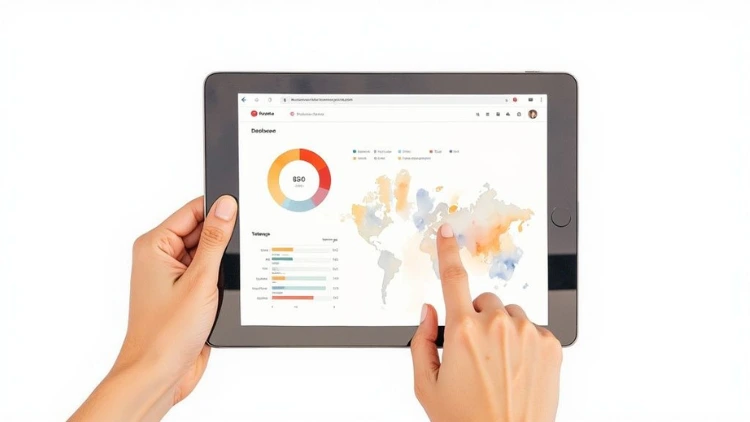
Relying on spreadsheets and manual processes for performance management is no longer sustainable in a fast-paced business environment. A modern approach to performance management best practices involves leveraging dedicated technology and analytics platforms. These tools centralize and streamline the entire process, from goal setting and continuous feedback to performance reviews and development planning, turning administrative burdens into strategic assets.
Pioneered by data-driven companies like Google and Netflix, this practice transforms performance data from a collection of subjective notes into a powerful source of business intelligence. Platforms like Workday, Culture Amp, and 15Five integrate multiple data points, allowing HR leaders and managers to spot trends, identify high-potential employees, diagnose team-wide skill gaps, and address signs of burnout before they impact the bottom line. This data-driven approach removes guesswork, enabling fairer, more objective talent decisions and a more proactive management style.
How to Implement Performance Technology
Effectively deploying technology requires more than just purchasing software; it involves strategic planning and thoughtful execution. Here are actionable insights to ensure success:
- Align Technology with Culture: Select a platform that mirrors your company’s approach to performance.
- Practical Example: If you prioritize continuous feedback, choose a tool with strong real-time check-in and recognition features, like BambooHR or 15Five. If you are OKR-focused, a platform like Lattice might be a better fit.
- Prioritize the User Experience: For technology to be adopted, it must be intuitive and easy to use for both employees and managers.
- Actionable Insight: Before purchasing, request a demo and have a small group of end-users test the interface. A clunky system will lead to low engagement and defeat the purpose of the investment.
- Train Managers on Data Interpretation: Provide training on how to read dashboards and translate analytics into meaningful coaching conversations.
- Actionable Insight: The goal is to use data to start conversations, not replace them. For instance, data might show low engagement, which a manager can use as a gentle entry point: "I noticed team engagement scores dipped last quarter; let's talk about what might be going on."
- Combine Quantitative and Qualitative Insights: Use analytics to identify what is happening (e.g., a drop in goal achievement) and use qualitative feedback from 1:1s to understand why.
- Practical Example: The dashboard shows a project is behind schedule. The 1:1 reveals a key team member is on sick leave. This balanced view is critical for accurate decision-making.
By integrating the right technology, you can create a more efficient, transparent, and impactful performance management system. To get started with data visualization, you can learn more about turning raw data into powerful insights with tools like Tableau.
5. Competency-Based Performance Management
Focusing solely on what an employee achieves (the outcomes) without considering how they achieve it leaves a critical gap in performance management. Competency-based performance management addresses this by evaluating employees against a defined set of skills, knowledge, and behaviors essential for success in their roles. This approach shifts the focus from just results to the sustainable capabilities that drive those results, creating a more holistic and developmental assessment.
Pioneered by researchers like David McClelland and adopted by organizations such as Procter & Gamble and SAP, this model provides a clear roadmap for what "good" looks like. It answers the question, "What specific behaviors lead to high performance in our organization?" By defining these competencies, you create a common language for performance, link individual behaviors directly to organizational strategy, and ensure that development efforts are targeted and effective. This is a key component of modern performance management best practices because it builds a workforce with the right capabilities for future success.
How to Implement Competency-Based Performance Management
Adopting a competency framework requires a deliberate and collaborative effort. Here are actionable insights to integrate this practice:
- Develop a Collaborative Competency Model: Work with leaders, high-performers, and HR to define the core competencies required for success across the organization and within specific roles.
- Actionable Insight: Balance technical skills (e.g., "Data Analysis") with soft skills (e.g., "Stakeholder Management").
- Define Clear Behavioral Indicators: For each competency, create specific, observable examples of what it looks like in action.
- Practical Example: For the competency "Collaboration", an indicator might be: "Proactively shares information and resources with other teams to help them meet their goals". This makes abstract concepts tangible and assessable.
- Integrate Competencies into All Talent Processes: Weave the competency model into job descriptions, interview questions, performance reviews, and career pathing.
- Actionable Insight: This ensures consistency and reinforces the importance of these behaviors from hiring to promotion.
- Train Managers and Employees: Provide training on how to assess performance against competencies objectively.
- Actionable Insight: Use role-playing scenarios where managers practice giving feedback based on the behavioral indicators. This helps them give specific, behavior-based feedback and empowers employees to understand exactly how they can develop and grow.
6. Employee Development Plans and Career Pathing
Effective performance management extends beyond evaluating past performance; it actively builds future capability. Integrating employee development plans (EDPs) and clear career pathing is a best practice that transforms feedback into a roadmap for growth. This approach demonstrates a company's investment in its people, directly linking their personal ambitions to the organization's long-term success. Instead of leaving career progression to chance, this system provides a structured framework for skill acquisition and advancement.
This strategic focus on growth, championed by innovative companies like Microsoft and Johnson & Johnson, boosts employee engagement and retention significantly. When employees see a clear path forward and feel the organization is invested in their journey, their motivation and loyalty increase. It connects the "what" of performance feedback with the "how" of professional development, ensuring that conversations about improvement are followed by tangible opportunities to learn and advance.
How to Implement Development Plans
Building a culture of development requires a partnership between managers and employees, supported by organizational resources. Here are actionable insights to make it a reality:
- Make Plans Specific and Actionable: An effective EDP moves beyond vague goals like "improve leadership skills".
- Practical Example: It should specify concrete actions, such as "Complete the 'Leading High-Performing Teams' certification by Q3 and lead two cross-functional project meetings using the new framework."
- Connect Individual Growth to Business Needs: Align development goals with strategic objectives and succession plans.
- Practical Example: If the company is expanding into a new market, an EDP for a high-potential employee might focus on developing cross-cultural communication skills by having them mentor a junior colleague in the new region.
- Provide Varied Learning Opportunities: Development isn't just about formal courses.
- Actionable Insight: Create a blended learning environment that includes experiential learning (stretch assignments, project lead roles), relational learning (mentorship, coaching), and formal training (workshops, e-learning).
- Review and Adjust Plans Regularly: Treat the EDP as a living document.
- Actionable Insight: Review progress, celebrate milestones, and adjust goals during quarterly or bi-annual check-ins to ensure the plan remains relevant and challenging.
By formalizing development, you create a transparent system that empowers employees to take control of their careers. To effectively identify skill gaps and create targeted learning paths, you can learn more about conducting a training needs analysis.

7. Performance Calibration and Moderation Sessions
Ensuring fairness and consistency in performance evaluations is a monumental challenge, especially in large organizations. This is where performance calibration comes in, a critical process that mitigates individual manager bias and standardizes the application of performance criteria across different teams. This practice involves structured meetings where managers come together to discuss, defend, and align on employee ratings before they are finalized.
This disciplined approach, famously pioneered by companies like GE with its "Session C" talent reviews and refined by tech giants like Google, moves performance management from a subjective exercise to an evidence-based system. The primary benefit is equity. Calibration ensures that an "exceeds expectations" rating in one department means the same thing as in another, preventing situations where an employee's final review depends more on their manager's leniency than their actual contributions. This builds trust in the system and is a cornerstone of effective performance management best practices.
How to Implement Performance Calibration
Successfully running calibration sessions requires clear guidelines and a commitment to objectivity. Here are actionable insights to introduce this practice:
- Establish Clear, Objective Criteria: Before the session, ensure all managers are working from the same detailed performance rubric.
- Practical Example: Define "Exceeds Expectations" with concrete behaviors like "Consistently delivered projects ahead of schedule with zero errors" and "Proactively identified and solved a problem that saved the team 10 hours per week".
- Prepare and Share Data in Advance: Require managers to come prepared with specific, evidence-based examples to support their proposed ratings.
- Actionable Insight: This could include project outcomes, 360-degree feedback highlights, and goal achievement data. Sharing this information beforehand allows participants to review it and be ready for a productive discussion.
- Use a Trained, Neutral Facilitator: The session should be led by a neutral party, often from HR, who can guide the conversation, ensure all voices are heard, and keep the focus on evidence rather than personalities or office politics.
- Focus on Relative, Not Absolute, Ranking: The goal is not to force a bell curve but to ensure consistent application of standards.
- Actionable Insight: The facilitator can prompt discussions with questions like, "Let's review the employees rated 'Exceeds Expectations.' Can we talk through the evidence to confirm they are all at a comparable level of impact?"
- Document Decisions and Rationale: Record the final agreed-upon ratings and the key reasons behind any adjustments made during the session.
- Actionable Insight: This documentation is vital for providing transparent, constructive feedback to employees and for identifying potential systemic biases over time.
8. Performance-Based Compensation and Incentive Alignment
One of the most powerful performance management best practices is directly linking compensation and incentives to measurable outcomes. This strategy moves beyond standard salary structures to create a system where financial rewards are tied to individual, team, and company performance. When designed correctly, performance-based pay motivates employees by making a clear connection between their effort, the results they achieve, and their take-home pay.
This approach, championed by high-growth companies like Salesforce, transforms compensation from a fixed cost into a strategic tool for driving desired behaviors. The primary benefit is alignment. It ensures that everyone in the organization is focused on the metrics that matter most to business success, whether it's sales quotas, project completion rates, or customer satisfaction scores. This creates a results-oriented culture where top performers are tangibly rewarded for their contributions.
How to Implement Performance-Based Compensation
Rolling out a successful incentive program requires transparency, fairness, and strategic planning. Here are actionable insights to build an effective system:
- Define Clear and Controllable Metrics: Select metrics that employees can directly influence.
- Practical Example: For a sales team, this is revenue closed. For a support team, it might be customer satisfaction (CSAT) scores over 95%. The link between action and reward must be obvious.
- Ensure Formula Transparency: The calculation for bonuses or commissions should be simple and easy for every employee to understand.
- Actionable Insight: Publish the formulas and provide examples of how different performance levels translate into earnings. A shared dashboard that tracks progress in real-time builds immense trust.
- Balance Individual and Group Incentives: Reward individual excellence, but also foster collaboration.
- Practical Example: Consider a tiered model where 60% of a bonus is tied to individual goals, 20% to team performance, and 20% to overall company profitability, like Southwest Airlines' profit-sharing program.
- Communicate and Educate: Don't just launch the plan; explain the "why" behind it.
- Actionable Insight: Regularly communicate how the company is performing against key metrics and show employees how their work contributes to the bigger picture.
By tying pay to results, you create a powerful incentive for excellence and ensure your team is strategically aligned. For a deeper dive into linking pay to results, explore various models of Performance Based Compensation.
9. Regular Performance Reviews and Structured Conversations
While continuous feedback has rightly gained prominence, the structured, formal performance review remains a vital component of a comprehensive performance management system. This practice involves conducting formal, in-depth reviews at regular intervals, such as semi-annually or annually, to provide a holistic assessment of an employee's contributions, challenges, and growth over a defined period. It’s a dedicated time for reflection, documentation, and strategic planning for the future.
This formal process, a long-standing tradition in corporate, government, and educational sectors, serves a different purpose than real-time coaching. It creates an official record of performance, which is often crucial for compensation decisions, promotions, and legal compliance. It also ensures that every employee receives a thorough, documented evaluation, providing a panoramic view that daily check-ins might miss. This structured approach complements continuous feedback by creating a milestone for summarizing progress and formally aligning on future goals.
How to Implement Structured Performance Reviews
To make formal reviews meaningful rather than a dreaded administrative task, they must be well-planned and thoughtfully executed. Here are actionable insights to make them effective:
- Integrate Self-Assessments: Ask employees to complete a self-assessment before the review meeting.
- Actionable Insight: Provide guiding questions like, "What was your biggest accomplishment this period and why?" and "Where did you face the biggest challenge, and what did you learn?" This empowers them to reflect on their own achievements and challenges, fostering a two-way conversation.
- Gather Multi-Source Feedback: Collect input from various sources, including project data, peer feedback (if applicable), and notes from 1:1 meetings throughout the year.
- Actionable Insight: This "no surprises" approach provides a balanced and evidence-based perspective on performance.
- Structure the Conversation: Use a consistent agenda for every review.
- Practical Example: A good structure includes: 1) Celebrate Successes, 2) Discuss Development Areas (with specific examples), 3) Align on Future Goals, and 4) Outline a Career Development Plan.
- Document and Follow Up: Thoroughly document the key discussion points, agreed-upon goals, and action items in your performance management system.
- Actionable Insight: Schedule a follow-up meeting within a few weeks to review progress on these items, demonstrating commitment and ensuring accountability.
By combining the big-picture perspective of formal reviews with the agility of continuous coaching, organizations create one of the most robust performance management best practices, ensuring both accountability and development.
10. Culture of Accountability and Transparent Performance Standards
A performance management system is only as effective as the culture that supports it. Establishing a culture of accountability with transparent performance standards ensures that every employee understands what success looks like and feels responsible for contributing to it. This approach moves beyond simply measuring performance to creating an environment where high standards are the norm and everyone is empowered to meet them.
This practice, exemplified by organizations like Netflix with its famous culture deck, is built on radical transparency and directness. When expectations are clear and openly communicated, ambiguity and politics are reduced. It creates a fair and predictable environment where performance is evaluated based on tangible outcomes and observable behaviors, not on subjective opinions. This clarity fosters psychological safety, allowing for direct, constructive conversations about performance without fear of personal judgment.
How to Build a Culture of Accountability
Cultivating this culture requires deliberate effort and consistent reinforcement from leadership. Here are actionable insights to implement this crucial best practice:
- Publish and Socialize Performance Standards: Don't hide your standards in a handbook.
- Actionable Insight: Create a simple, visual one-pager for each role that outlines the key responsibilities and the metrics for success. Make these visible and accessible to everyone.
- Focus on Outcomes and Behaviors: Frame accountability around specific, measurable results and behaviors, not personalities.
- Practical Example: Instead of saying "You're not a team player", say "In the last project, you missed three deadlines for your deliverables (Outcome), which impacted the team's ability to move forward (Impact)."
- Address Performance Gaps Promptly: Don't wait for a formal review.
- Actionable Insight: Train managers to have direct, supportive, and timely conversations when performance doesn't meet expectations. Provide resources and coaching to help employees improve.
- Celebrate Accountability: Publicly recognize and reward individuals and teams who demonstrate ownership and meet their commitments.
- Practical Example: In a weekly all-hands meeting, give a shout-out to a team that took ownership of a mistake, fixed it, and shared what they learned. This reinforces the desired behaviors and shows that accountability is a valued trait in your organization.
By building this foundation, you create a self-regulating, high-performing environment. Explore how this ties into broader motivation with these top employee engagement strategies.
From Practice to Performance: Building Your Modern System
Navigating the landscape of modern performance management is no longer about a single annual review. As we've explored, it's about building a dynamic, continuous, and integrated system. The journey from a traditional, static process to a vibrant performance culture is a significant one, but the rewards are immense: higher employee engagement, improved retention, and a direct impact on organizational goals. The performance management best practices outlined in this guide serve as your architectural blueprint for this transformation.
The core shift is from a system of evaluation to a system of enablement. This means moving away from simply judging past performance and moving toward empowering future success. Practices like continuous feedback, real-time coaching, and clear OKR setting are the foundational pillars. They create a constant, transparent dialogue about what success looks like and how to achieve it. This is a fundamental change that requires more than just a new process; it demands a new mindset from leaders and team members alike.
Weaving the Threads Together: An Integrated Approach
The true power of these best practices is unlocked when they are woven together into a cohesive strategy, not implemented as isolated initiatives. A standalone 360-degree feedback process without a strong coaching culture or clear development plans can feel punitive rather than productive. Similarly, setting ambitious OKRs without regular check-ins and the right technology to track progress will likely lead to frustration and failure.
Consider this practical integration:
- Goal Setting (OKRs) establishes the "what" and "why".
- Continuous Feedback and Check-ins provide real-time guidance on the "how".
- Competency Models define the skills needed to achieve those goals.
- Employee Development Plans, supported by learning platforms, build those necessary skills.
- Performance Reviews and Calibration ensure fairness and consistency in assessing the outcomes.
This integrated system creates a powerful feedback loop. It connects an employee's daily work directly to their personal growth, their team's objectives, and the company's ultimate vision. This is where the magic happens, transforming performance management from a dreaded administrative task into a core driver of business strategy and talent development.
Your Actionable Roadmap to a High-Performance Culture
Mastering these performance management best practices is not an overnight project. It is an iterative journey of continuous improvement. The most crucial step is to begin. Don't wait for the "perfect" system. Start by identifying the most significant pain point in your current process and address it with one of the strategies we've discussed.
Here are your immediate next steps:
- Conduct a Gap Analysis: Where does your current process fall short? Are you struggling with goal alignment, inconsistent feedback, or a lack of employee development? Pinpoint the most critical area for improvement.
- Launch a Pilot Program: Select a single department or team to pilot a new practice, such as implementing monthly check-ins or introducing a 360-degree feedback tool. This allows you to gather data, learn from mistakes, and build momentum before a full-scale rollout.
- Invest in Manager Training: Your managers are the linchpins of this entire system. Equip them with the skills to be effective coaches, to give constructive feedback, and to facilitate meaningful development conversations. This is a non-negotiable prerequisite for success.
Ultimately, building a modern performance management system is about investing in your people. It's about creating an environment where every employee feels seen, supported, and empowered to do their best work. By shifting your focus from retrospective judgment to prospective development, you build a resilient, agile, and deeply engaged workforce ready to conquer future challenges and drive sustainable growth.
Ready to empower your team with the skills they need to excel? Uplyrn provides a comprehensive learning ecosystem with courses and mentoring designed to support the employee development plans that emerge from a strong performance management process. Explore Uplyrn today to build the competencies that will drive your organization's success tomorrow.


Leave your thoughts here...
All Comments
Reply