









Learn New Skills Online: Plan, Practice, Build A Portfolio

Affordable courses and mobile-friendly platforms have flattened the curve for picking up new skills. Self-paced modules and interactive projects let you mold your learning around a lunch break or an evening session.
High-speed internet and smartphones have put education in everyone’s pocket. You no longer need to schedule around a classroom—just log in.
Jump To Section

Earn As You Learn
Earn 25% commission when your network purchase Uplyrn courses or subscribe to our annual membership. It’s the best thing ever. Next to learning,
of course.
Exploring Online Learning Growth
Courses now span every topic you can think of. Interactive assignments simulate on-the-job challenges. Mobile apps fit lessons into your daily commute. Community forums connect you with peers and experts.
- Practical Example: A freelance graphic designer uses her smartphone for 15-minute lessons during coffee breaks and applies new design patterns immediately to client projects.
Actionable Insight: Pick one forum thread per course to ask a specific question—set a weekly reminder to participate.
You can also check out this guide on the Digital Era of Courses and Teaching for a deeper dive into evolving learning models.
Online Education Market Growth
Regions with better connectivity tend to adopt courses faster.
Emerging markets often sprint ahead once connectivity improves. In Brazil, free mobile-friendly modules have driven up enrollments among young professionals. In Nigeria, budget data plans are fueling interest in tech and business courses.
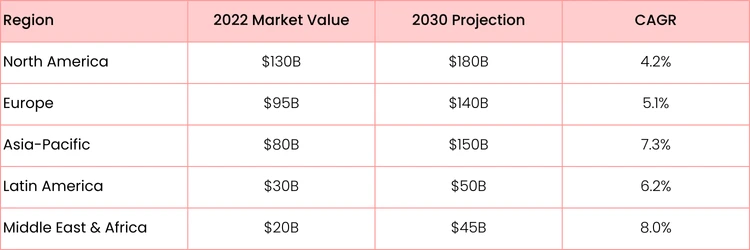
- Latin America posted a 6.2% CAGR by 2022, thanks to better broadband.
- Middle East & Africa is on track for an 8.0% CAGR through 2030 as smartphone use expands.
Actionable Insight: If you target emerging markets, create content optimized for low-bandwidth—export presentations as PDFs and offer text-based transcripts.
Regional Adoption Trends
Below is a breakdown of regional markets in 2022 and where they’re headed by 2030.
This table gives a clear view of where to focus your efforts if you’re eyeing the fastest growth. Overall, analysts expect the market to hit $389 billion by 2025 and climb to $565 billion by 2030.
Key Takeaway: Asia-Pacific is projected to outpace other regions in enrollment growth by 2025.
Evaluating Skills to Learn Online
When you start weighing which skill to tackle next, passion alone won’t cut it. You need a clear snapshot of where you are today and where you hope to be six months from now. That’s why a simple gap-analysis framework can guide every move you make.
List the abilities you use on a daily basis alongside the skills demanded by your dream job. Seeing those side by side highlights exactly where you should invest your energy. It might feel tedious, but this visual comparison becomes the backbone of a deliberate learning plan.
At the same time, balance what you love with what pays. A flair for design is great—but data analytics roles often deliver 20% higher starting salaries. Mixing personal interest with market demand keeps you motivated and maximizes your return.
Mapping Your Skill Gap
Picture a three-column chart: Current Level, Target Level, and Relevance. For each skill, give yourself a 1–5 rating:
- Experience Level: How comfortable are you executing daily tasks?
- Skill Proficiency: Can you work quickly and accurately under pressure?
- Market Relevance: Are employers actively seeking this skill?
Practical Example: A copywriter lists “email marketing” at Current Level 2, Target Level 4, then researches job postings to confirm Demand Score 5. They know where to focus next quarter.
Weighing Passion And Demand
Enthusiasm fuels consistency, but it won’t guarantee a bigger paycheck. Roles growing at 15% CAGR typically reward you with steeper salary bumps. By aligning your interests with these growth trends, you stay inspired and well-paid.
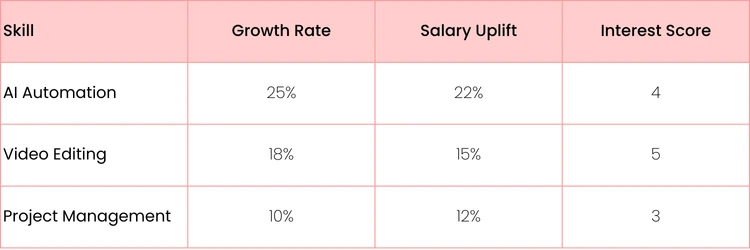
Score each skill on three fronts:
- Industry Growth Rate: Is demand climbing?
- Salary Uplift: What pay increase comes after mastery?
- Personal Interest: Will you stick with it for the long haul?
Assign weights—say, 40% growth, 30% pay, 30% passion—and the highest totals reveal your best bets.
Actionable Insight: Use a spreadsheet formula to calculate weighted totals automatically—this removes bias from your decisions.
Scoring Skills For Impact
Numbers make tough choices clear. Take AI Automation: it shows 25% growth and a 22% salary uplift, outpacing most side-project passions.
Sort by your weighted total, then prune any skill scoring low on either momentum or motivation.
Example Scenarios
Practical Example:
- A data analyst intrigued by machine learning could dive into AI modules, practice building predictive models, and pivot into an AI-focused role within months.
- A social-media creator eyeing advanced video editing leans into project-based lessons—short films, ad spots—and bolsters both their skillset and portfolio.
Key Takeaway: Learning through hands-on projects can boost retention by up to 30% compared to passive study.
Actionable Insight: After completing a module, set a mini-project deadline in your calendar within 48 hours to reinforce new skills.
Building Your Skills Shortlist
With your scores in hand, pick the top three that sync with your five-year vision. This shortlist keeps your learning laser-focused as markets shift.
- Compare weighted totals and highlight the winners.
- Double-check each choice against your long-term career goals.
- Run ideas by a mentor or peer for extra perspective.
- Schedule quarterly check-ins to revisit and revise.
Your shortlist acts as a dynamic roadmap—no more spinning wheels, just steady forward motion.
Selecting The Best Online Course
Sorting through dozens of online programs can feel like wandering through a maze. Yet, if you narrow your focus to instructor credentials, syllabus depth, and clear outcomes, you’ll cut your vetting time from hours down to minutes.
On platforms like Uplyrn, you’ll find filters that shine a spotlight on real industry experience rather than just glossy star ratings. Follow that trail and you’ll spot courses designed to build your portfolio, not just your watch time.
Vetting Instructor Quality
An instructor’s resume tells you a lot. A data scientist who’s published peer-reviewed work will offer sharper insights in an AI class than someone with generic “tech” experience.
Before you commit, sample the first lessons. Free previews reveal pacing, teaching style, and whether assignments peel back the curtain on real-world challenges.
Checklist For Course Selection
Make your vetting methodical rather than guesswork:
- Try at least two free modules to test teaching style.
- Read five in-depth student reviews, focusing on written comments.
- Align syllabus milestones with your calendar.
- Confirm peer-group access for feedback.
Actionable Insight: Create a “Course Scorecard” in Notion with these four criteria—give each a 1–5 rating, then pick the highest-scoring option.
Reading Student Feedback
Reviews often reveal what star ratings don’t:
- Look for mentions of real-world projects and clear deadlines.
- Notice how quickly instructors respond.
- Browse forum threads to gauge community engagement.
"I dropped a course due to outdated materials, and my instructor never replied," warns one learner.
Vet with purpose and you’ll avoid the common traps of low-value, high-hype courses. By focusing on instructor backgrounds, hands-on work, and community support, you’ll invest your time wisely—and build a portfolio that speaks volumes.
Check out this guide on online courses for career growth for advanced strategies.
Building A Personalized Learning Plan
When you enroll in a new course, the trick isn’t just showing up—it’s mapping out every step. Without a clear guide, it’s easy to stall or feel buried. A personalized learning plan keeps you on track and tackles that overwhelm head-on.
Begin by carving out weekly milestones—mini goals like drafting a project outline or wrapping up a quiz. I like to slot these into 30-minute chunks. It’s surprising how much momentum you build when you can actually check something off your list.
On top of that, block dedicated time for hands-on modules and any live webinars. That balance between self-paced work and real-time feedback keeps the material fresh and your motivation high. Pencil in those sessions, so they become non-negotiable calendar events.
- Practical Example: I schedule eight 30-minute sprints each week in Trello—four for video lectures, two for hands-on coding, and two for forum discussions. Each sprint is a card I drag from “To Do” to “Done”.
Use these tactics to stay accountable:
- Form a peer study group to share wins and troubleshoot roadblocks
- Jot down daily journal entries that capture insights and frustrations
- Post weekly progress updates on social media for external motivation
Actionable Insight: Automate a weekly calendar invite that repeats your study block—set it to send you a notification 15 minutes beforehand.
Organizing Your Learning Tools
Apps like Trello and Notion become your control tower. Create boards and cards, then tag tasks by priority or status to keep each deadline front and center.
I always sync due dates with my calendar—no more missed review sessions. A quick glance at color-coded labels instantly highlights what’s urgent.
Pro Tips:
- Use tags such as “In Progress” or “Blocked” for instant clarity
- Link boards to your calendar so every card shows up as an event
- Attach reference files directly to each task to save time hunting
Laying out four weeks of tasks transforms a mountain of content into digestible sprints. You’ll know exactly when to tackle each phase.
Tip: Breaking big topics into weekly sprints can increase completion rates by 40%.
Embedding Practice Projects
Nothing cements learning better than building something. After a coding module, challenge yourself to whip up a small feature. Suddenly, theory becomes muscle memory.
Turn complex lessons into short, 30-minute tasks—write a function here, sketch a UI component there. These micro-projects add up and build genuine confidence.
Check out this guide on creating an ongoing learning cycle to maintain momentum and adaptability.
Tracking Your Progress
Set aside a few minutes each week to log how much time you spent and note any recurring roadblocks. Then, at month’s end, compare your goals against actual progress and tweak the plan.
- Weekly Review Logs capture hours invested and obstacles faced
- Monthly Reflections adjust next milestones based on real results
- Peer Feedback Sessions help course-correct before it’s too late
Actionable Insight: Build a simple Google Sheet that pulls in Trello card statuses via automation—see progress in a single dashboard.
Community-Driven Tactics:
- Host 10-minute weekly demos where everyone shares current deliverables
- Keep a shared document of challenges and solutions for group problem-solving
Stay flexible—swap a Trello board for a simple spreadsheet if your project needs more structure. Each evening, spend 15 minutes reviewing what worked and what didn’t. Experiment with timers or focus blocks to discover your ideal rhythm.
By blending metrics with real-time reflections, you’ll know precisely when to push forward or pivot.
Retention Techniques And Deliberate Practice
Active recall flips the usual “read and repeat” approach on its head. Instead of skimming through slides, you’re forced to pull answers straight from memory. Over time, this builds much stronger neural links than simple review ever could.
Active Recall Practices
- Turn your notes into quick quizzes or code challenges using plugins that flag what you get wrong
- Create flashcards with marketing terms on one side and memorable examples on the other
- Swap out bland questions for scenario-based prompts so you’re always thinking, not guessing
Practical Example: After a statistics lesson, write your own quiz questions and trade them with a peer for a live quiz session.
Spaced Repetition And Interleaving
Spaced repetition nudges you back to a topic just before you forget it. By spacing reviews at growing intervals, you avoid that last-minute cram panic. Tools like Anki automate the scheduling piece, so you don’t have to juggle calendars or reminders.
Actionable Insight: Set Anki to review critical flashcards on Day 1, Day 3, and Day 7—export your review log weekly to spot tough cards.
Meanwhile, interleaving blends related subjects in a single session. Picture alternating between styling a webpage with CSS and querying data with SQL—this helps your brain weave connections instead of siloing each skill.
- Schedule review sessions at 1 day, 3 days, then 1 week after first encountering a topic
- Let recall accuracy drive the next interval so you spend time where it matters most
- Mix in adjacent skills—like swapping Python function work with JavaScript debugging—to strengthen links
- Keep an eye on app metrics to spot stubborn weak spots and loop them back in sooner
Interleaving related tasks can boost retention by up to 30% compared to blocked practice.
Applying Deliberate Practice
Deliberate practice is about pushing just past your comfort zone without tipping over into frustration. You might set up a challenge to build a new feature or solve an unfamiliar algorithm. Adjusting tasks each week keeps you in that sweet spot where growth happens fastest.
- Define a clear goal—say, writing a function that handles edge cases you’ve never tried before
- Use a timer to carve out focused intervals, then pause to reflect on what felt tricky
- Ask a mentor or peer for instant feedback so you course-correct before bad habits settle in
- Record short video demos of your solution to spot patterns and refine your approach
Practical Example: Each Friday, attempt a “challenge problem” a level above your current skill, then deconstruct it on Monday by reviewing your notes and solution steps.
Keeping tabs on your progress is non-negotiable. Jot down daily wins, obstacles, and tactics you’ve tested in a dedicated journal. Then, once a week, scan your notes to tweak the plan and toast those little milestones.
Check out this guide on how the brain learns for more background on memory and recall. This resource can strengthen your retention toolkit as you learn new skills online.
Building real projects cements what you’ve studied. For instance, crafting a mini web app that combines CSS, JavaScript logic, and API calls forces you to apply multiple techniques at once. That hands-on puzzle locks in each part and shows you how they fit together.
Key Takeaway: Deliberate mix of recall, repetition, and project work can increase mastery speed by 40%
Tracking and Adjusting Strategies
- Use a simple dashboard to track quiz scores, project milestones, and total hours logged
- Invite peer reviews every month to catch blind spots you might miss on your own
- Spend 10 minutes each week pruning or replacing tactics that no longer feel effective
Actionable Insight: Export your Anki and Trello data to a single Google Sheet for a unified progress report each Sunday.
Measurement keeps your routine honest. With data in hand, you can swap in fresh techniques, tweak intervals, and stay keyed into real improvement. Practice. Reflect. Repeat. Continuous growth follows.
Leveraging Mentorship And Portfolio Building
Working with a mentor can shave weeks off your learning curve. A seasoned mentor spots gaps you might miss and gives you the honest feedback that really moves the needle.
Reaching out on LinkedIn works best when you warm up the conversation. Instead of a cold pitch, start by engaging with their posts or mentioning a mutual connection. Then send a concise note that respects their time and shows genuine interest.
- Template A: “I noticed we both follow [Industry Leader]. Could I grab 15 minutes to hear about your career path?”
- Template B: “Your article on user testing was eye-opening. Mind reviewing my mockup?”
- Template C: “We’re both connected to [Name]. I’d love to swap work samples—fifteen minutes of your feedback would be amazing.”
Practical Example: After commenting thoughtfully on five posts, send Template B with a link to your UI wireframe and a clear focus question on accessibility.
A structured feedback call can reveal hidden flaws faster than solo practice.
Pick milestones—like after your first UI sketch or initial code module—so the critique is focused and instantly useful.
Scheduling Effective Feedback Sessions
On the call, open with a clear goal and share your materials (for example, a GitHub link or design file). Ask pointed questions such as “Does this meet accessibility standards?” to zero in on specifics. Capture every insight by recording or note-taking.
- Outline an agenda with 3 bullet points.
- Send materials at least 24 hours before your session.
- Integrate feedback within 48 hours.
That level of preparation shows you value their time—and it ensures you actually apply what you learn. Don’t forget to log version changes after each call.
Example Outreach Message:
Hi [Name],
I enjoyed your post on [Topic]. Could you spare 15 minutes this week to review my draft project?
Thanks,
[Your Name]
Showcasing Your Work
Curate 3–5 projects that demonstrate how your skills have evolved.
Host your showcase on GitHub or a personal site with clear navigation. Label each project by skill area so recruiters can find what matters to them. Learn more about pairing with the right mentor in this article on Why Having a Mentor Is Important.
Actionable Insight: Add a short video walkthrough for each project—record a 60-second demo highlighting your favorite feature.
Portfolio Maintenance Tips
- Link your portfolio in your email signature and LinkedIn summary.
- Add a Last Updated date to each case study.
- Use GitHub Actions to deploy changes whenever you push updates.
Key Takeaway: A living portfolio with clear metrics can increase interview callbacks by 50%.
Before applying for a role, tailor your portfolio link and highlight the most relevant case studies. This approach puts your expertise front and center—right when it counts.

Learning New Skills Online FAQ
Ever wondered how to pick up in-demand skills without overspending? These answers come straight from hands-on experience and can slot right into your study routine.
How Can I Stay Motivated During Lengthy Courses?
Break each module into bite-sized goals—finishing a video or quiz feels like a win. Then jump into peer study groups on Slack or follow a course hashtag on Twitter for that extra nudge.
Staying Accountable Online
- Set a public deadline (e.g., “Finishing JavaScript by June 10”) and share it on social media.
- Log progress daily in a simple spreadsheet or habit-tracking app.
- Celebrate each mini-win with a five-minute break or a favorite treat.
Actionable Insight: Use a habit-tracking app to send you daily notifications until you’ve logged your learning session.
Is Certification Necessary For Career Advancement?
Certificates open doors, but real confidence comes from finished projects. A GitHub repo filled with your code or a live portfolio often speaks louder than any badge.
How Do I Verify The Quality Of A New Platform?
Scan user reviews and check instructor backgrounds first. Then sample a few lessons and look at high completion rates—courses people actually finish tend to be worth your time.
Next Steps
Sign up on Uplyrn to put this framework into action. Track progress on its analytics dashboard, share your milestones, and watch new doors open. Don’t forget to revisit your gap analysis every quarter—your skill strategy should evolve just as fast as the job market.


Leave your thoughts here...
All Comments
Reply